

Domestic Committees
This part of the HMCME experience is comprised of committees in the U.S. House of Representatives and Senate, as well as our two local committees, the Gulf Cooperation Council and the Shura Council. Modeled after congressional committees in the United States Congress, delegates in the House and Senate will assume the role of congressmen and women and debate contentious issues currently relevant in the United States. Although these committees are more US-centric than their international counterparts, these committees will cover a wide variety of topics, both domestically and internationally focused.
The local committees, first piloted in 2026, are modeled after key governing bodies in the Gulf Region. These committees aim to give students more exposure to the unique political dynamics, cultural contexts, and decision-making processes of the region. This year’s local committees will allow delegates to address real-world policy challenges specific to the Gulf while developing solutions that reflect both national priorities and regional cooperation. Through this simulation, delegates will gain a deeper understanding of local governance and its role within the broader international system.
HOUSE SPACE, SCIENCE, & TECHNOLOGY

The Committee on Science, Space, and Technology has jurisdiction over a range of matters related to energy research and development, federally owned or operated non-military energy laboratories, astronautical research and development, civil aviation, environmental research and development; marine research, and more.
Briefing Topics:
To be updated.
To be updated.
SENATE FOREIGN RELATIONS

The Senate Committee on Foreign Relations is responsible for helping to develop and influence United States foreign policy. The committee debates and helps to negotiate treaties and trade. It also holds jurisdiction over all diplomatic nominations.
Briefing Topics:
To be updated.
To be updated.
SENATE HOMELAND
SECURITY**

Senate Homeland Security will be an experienced committee this year. The Senate Committee on Homeland Security and Governmental Affairs is the Senate’s primary oversight committee with broad jurisdiction over government operations generally and the Department of Homeland Security in particular. Its primary responsibilities are to study the efficiency, economy, and effectiveness of all agencies and departments of the federal government; evaluate the effects of laws enacted to reorganize the legislative and executive branches of government; and study the intergovernmental relationships between the U.S. and states and municipalities, and between the U.S. and international organizations of which the U.S. is a member.
Briefing Topics:
To be updated.
To be updated.
GULF COOPERATION COUNCIL (GCC)
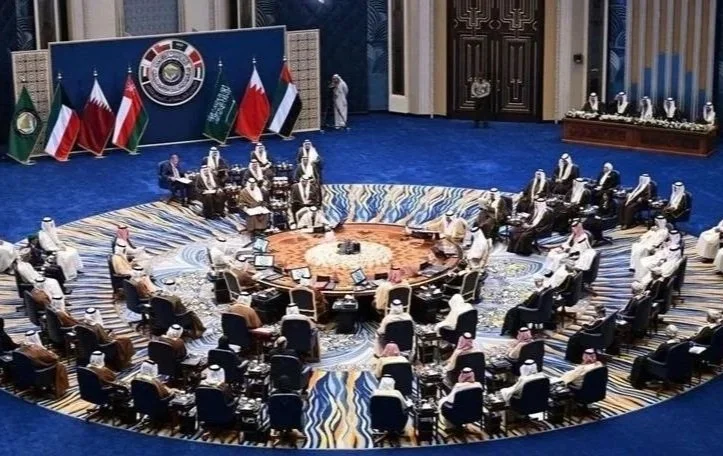
The Gulf Cooperation Council is a regional, political, and economic union including the six countries Bahrain, Kuwait, Oman, Qatar, Saudi Arabia, and United Arab Emirates. The GCC fosters close cooperation between these nations, aiming to encourage scientific and technological development, formulate consistent regulations, and set up joint ventures.
Briefing Topics:
To be updated.
To be updated.
HOUSE JUDICIARY*

House Judiciary will be a novice committee this year. The House Committee on the Judiciary has jurisdiction over matters relating to the administration of justice in federal courts, administrative bodies, and law enforcement agencies. It also provides oversight of the Department of Justice and the agencies under the Department's jurisdiction, including the Federal Bureau of Investigation, and the Department of Homeland Security. It also plays an important role in the consideration of nominations and pending legislation. Any legislation related to civil liberty, constitutional amendments, immigration and naturalization, and a variety of other topics is referred to the Committee.
Briefing Topics:
To be updated.
To be updated.
SHURA COUNCIL (QATARI PARLIAMENT)
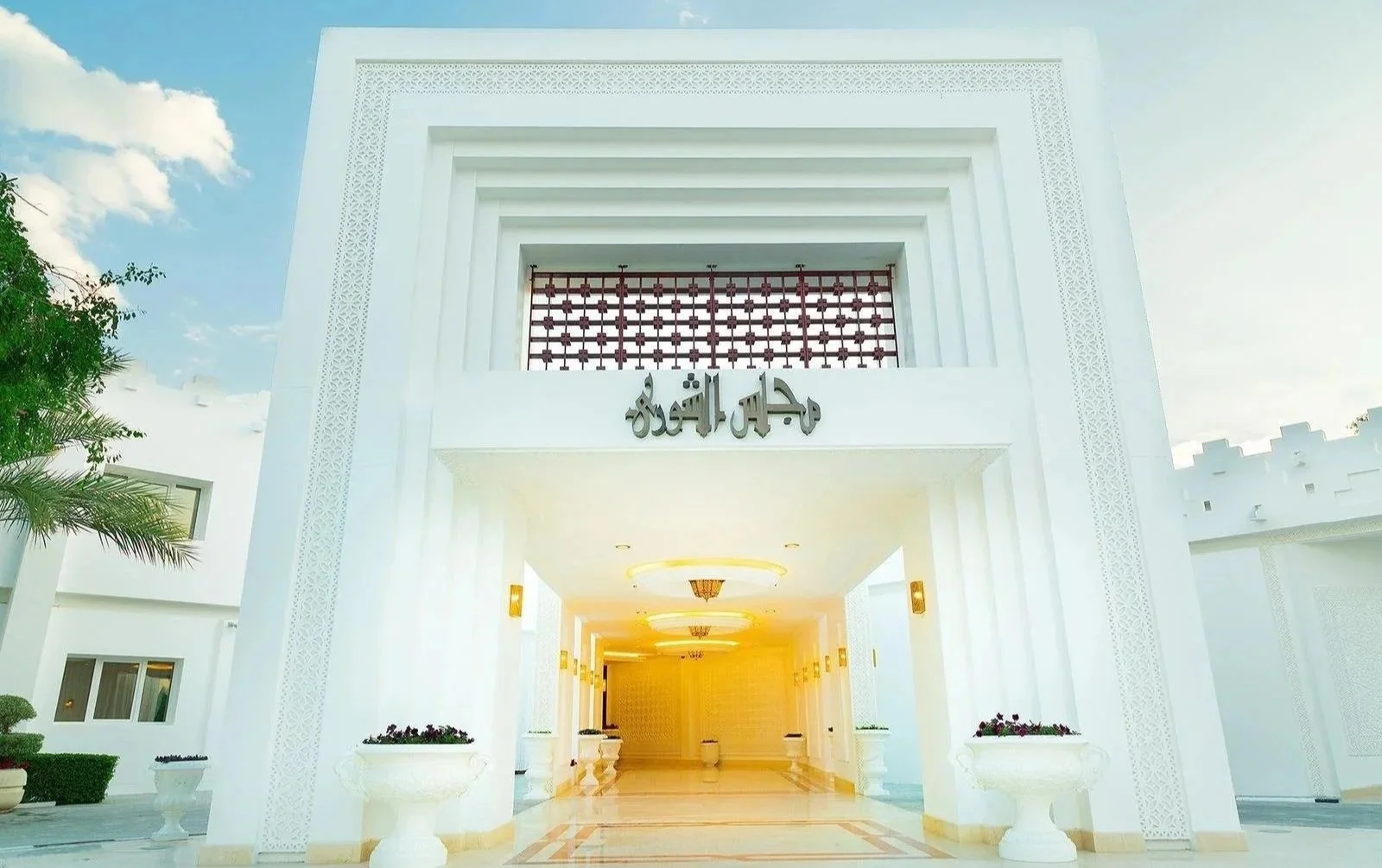
The Shura Council of Qatar is Qatar’s legislative advisory body and a key institution within the country’s political system. Comprising elected and appointed members, the Council reviews draft laws, discusses state policies, approves the national budget, and provides recommendations on economic, social, and administrative matters. The Shura Council supports governance and national development by promoting public participation, strengthening legislative oversight, and contributing to the advancement of Qatar’s political and institutional framework.
Briefing Topics:
To be updated.
To be updated.
*This committee is for novice delegates.
**This committee is for experienced delegates.